|
|
Railroad Lamps
Railroad lamps are distinguished from lanterns by both
function and design. Lamps were generally intended to be stationary,
were generally made of a sheet metal or cast metal body, and used lenses
to amplify light from an interior light source. Lanterns were designed
to be portable and used globes which were surrounded by a metal frame.
A wide variety of different lamps were used by the railroads, including
semaphore lamps, classification lamps, train order lamps, bridge lamps,
marker lamps, and switch lamps. This page provides a brief look at some
of major lamp types used by railroads. Note that you can also find pictures
of lamps in our historical catalog pages -- see
Library -- and a brochure on lamp
maintenance. Also see the Railroad Lamps ... More page for more lamp images and information.
|
|
|
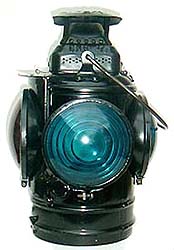
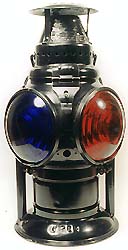
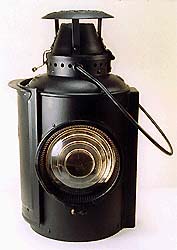
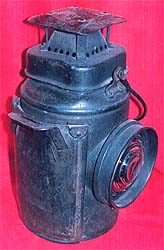
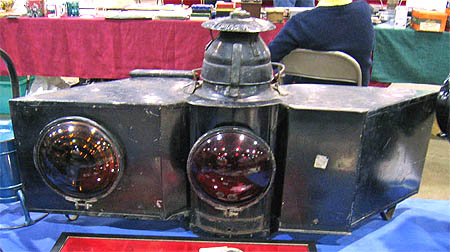
| Above Left. An Adams & Westlake Model #270
marker lamp marked "G.N. Ry." for the Great Northern Railway.
This type of lamp was usually used on the caboose at the rear of
the train. Above Center. An Adams & Westlake Model #169
switch lamp with a bellbottom base and marked for the Union Pacific
Railroad. Note the two narrow cylinders coming up from the base,
which indicates that this lamp was attached to the switch stand by
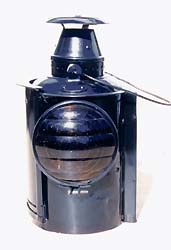
a "fork mounting". Above Right. A train order lamp
made by Adams & Westlake and marked O.E. Ry. for the Oregon Electric,
an interurban operation. The train order lamp had two lenses on opposite
sides of the lamp body. |
|
|
|
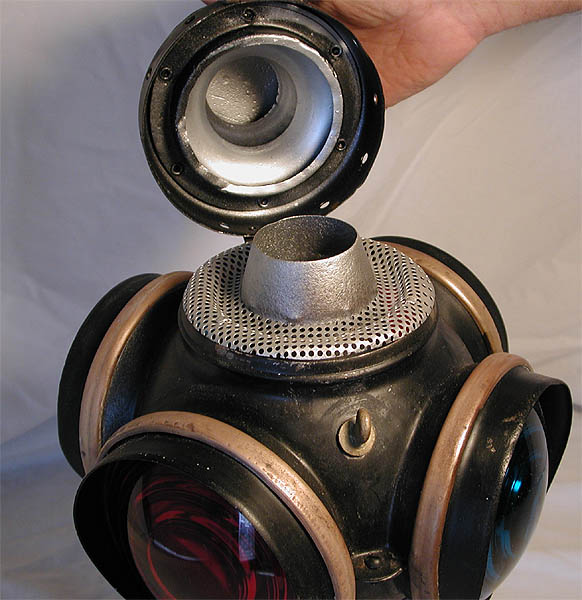
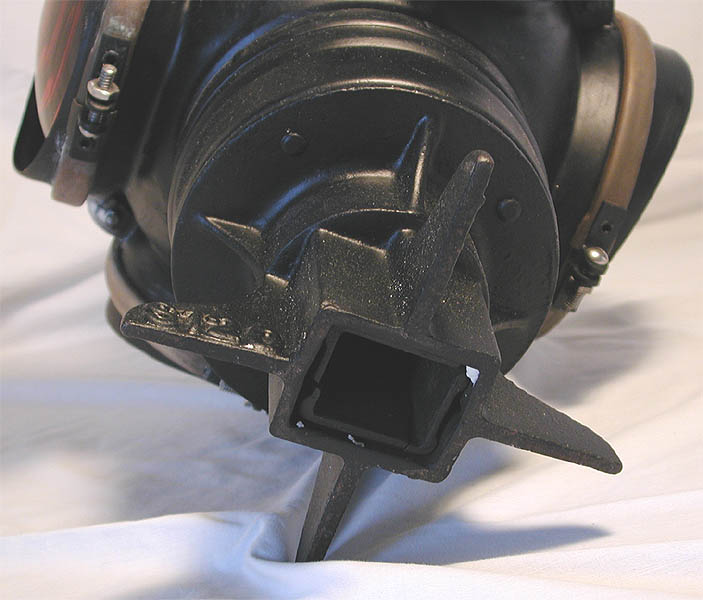
| Above Left. Three images of an Armspear switch lamp. Note the bottom of the lamp -- a spring loaded base for attaching the lamp to a square switch stand post. Click on any of these images for a larger version. Images courtesy of Roma Cox. |
|
 |
|
Above Left. An Adams & Westlake
semaphore lamp. Although this particular example represents a common
style of semaphore lamp used by North American railroads, it was
actually used in Argentina, having been manufactured under patent
arrangements by a British company. Generally semaphore lamps had
one lense. Photo courtesy of Luis Paupy. Above Center. A
classification lamp marked for the New York Central Railroad. This
may have been used either on a locomotive or tender.Photo courtesy
of Mike and Julia. Above Right. A
lamp which resembles a small semaphore lamp with a single amber
lens and marked for the Union Pacific. The small size of this lamp
and the amber lens suggests that it was a slow-order lamp used
to indicate work at trackside. Update: A collector sent the following to us in mid-2009: "This lamp was also used with the yard limits sign. This kind of lamp was hung behind the sign which has a hole to fit the lens. This was the yard limits' "night" aspect." {thanks to PRB}
Update on the UP Lamp, far right: A former Canadian
Pacific employee emailed us with the following: " I
suggest it is probably a Yard Limit sign lamp as ones almost identical
to the one pictured were used on the CPR for that purpose. When
I was a boy the CPR finally installed block signals on the transcontinental
mainline through my home town of Salmon Arm, B.C. and after that
the Board of Transport allowed them to remove the oil lamps from
the Yard Limit signs but there use continued where there was no
block signal system e.g. branch lines, secondary mailines. The Yard
Limit sign was a yellow. diamond-shaped sign with "yard limit'" in
large letters and a circular hole behind which the single
lens yellow lamp was mounted and through which the light shone. It
stood on a metal post about head high. Of course the specific style
varied from railway to railway." [Thanks to Doug Turner] .
Second Update: In the Summer of 2008, we received the following: "Regarding the 'update' [on the UP lamp]: This is an interesting insight as to how the Canadians used these lamps. It seems like there are many ways lensed lamps were used. However; the lamp pictured was in fact a Track Gang's Slow Order lamp. There would be another with a green lens at the end of the work area so trains could resume speed. The track gang would place a stake in the ground at each location and mount the lamp on it. I worked on the UP out of Council Bluffs not long after the road divested itself of all kerosene illumination. Around 1970 the UP stripped the line of any remaining kerosene lamps including these and switch lamps, shipped them all to Omaha, and sold them off to antique dealers at $5.00 a piece!!! (including ones marked OSL and OWR&N!!) The dealers promptly turned them for double their investment at $10. I bought all I could find at that price ....WOW ! $10 for a legally obtained switch lamp.
Yes, the UP lamp pictured was most certainly used as a track work slow order lamp by that road. To the best of my knowledge neither the UP nor any other Midwestern railroad used a lamp associated with yard limit signs. Please advise if you know otherwise.
....thanks though for the Canadian perspective." [Thanks to
Mike McBreen]
|
|
|
|
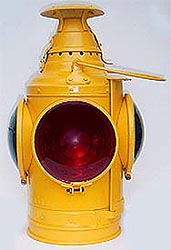
| Above Left. A marker lamp manufactured
by Dressel with a tag marked "B.& O. R.R." for the
Balitimore & Ohio Railroad. Some railroads painted marker
lamps safety yellow rather than the traditional black color. Above
Center. A crossing gate lamp manufactured by Dressel.
Photo courtesy of Bill Tarbox. Above Right. An
unusual Canadian Pacific Switch lamp made by Piper. Photo
courtesy of Lakeside Antiques, Kaslo, B.C. |
 |
 |
 |
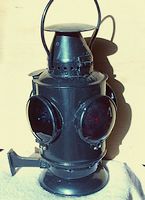
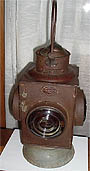
| Above Left. A Fairbanks-Morse engine class lamp marked P&R RR for the Philadelphia & Reading Railroad. Above
Center. An Adlake 78 or 83 marker lamp marked PMc&C RR for the Pittsburg, McKeesport, & Connelsville Railroad, an interurban line. Both photos courtesy of Don Kosur. Above Right. A block station lamp from the Pennsylvania Railroad. Photo courtesy of Rob Hoffer; Click on any image for a larger version. |
 |
 |
 |
 |
 |
 |
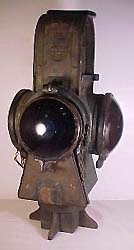
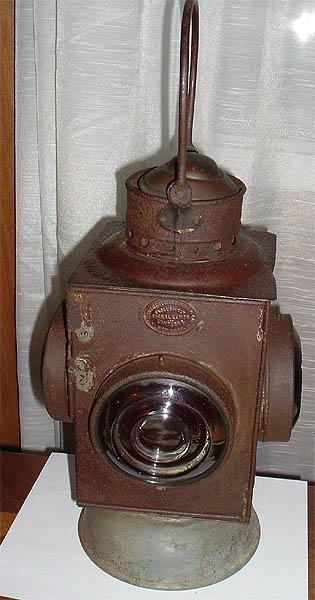
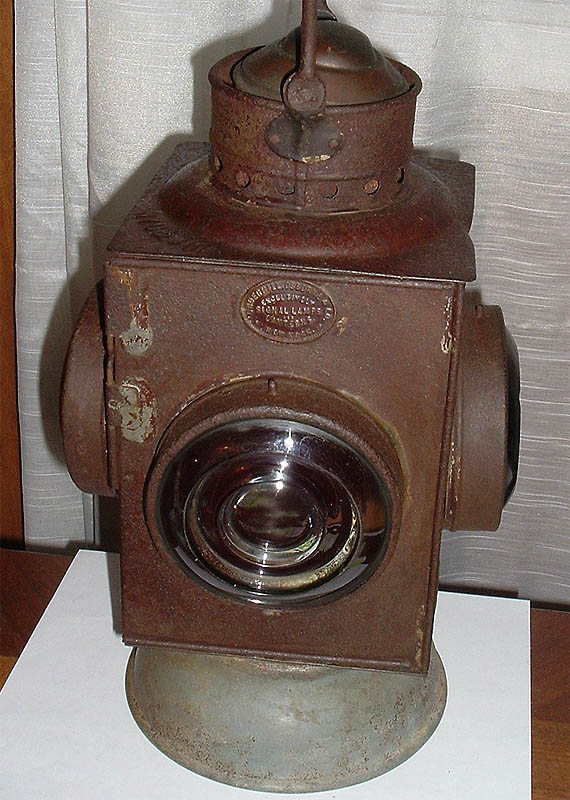
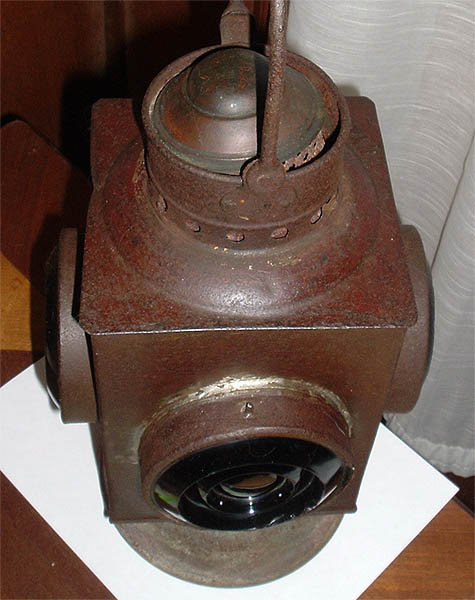
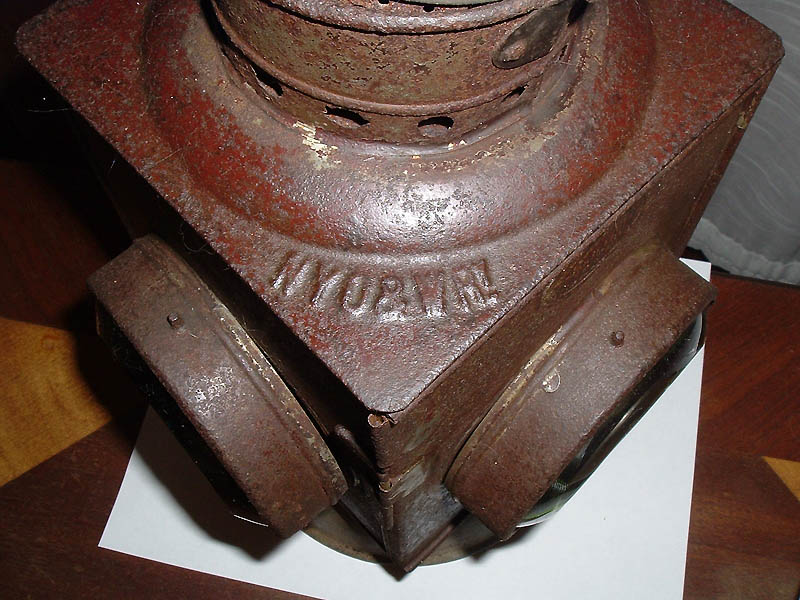
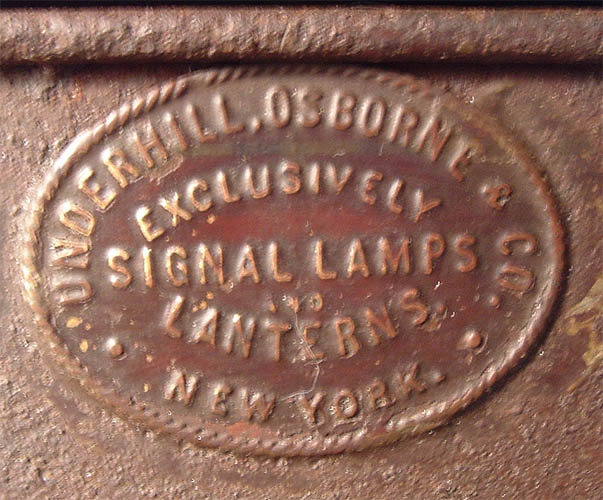
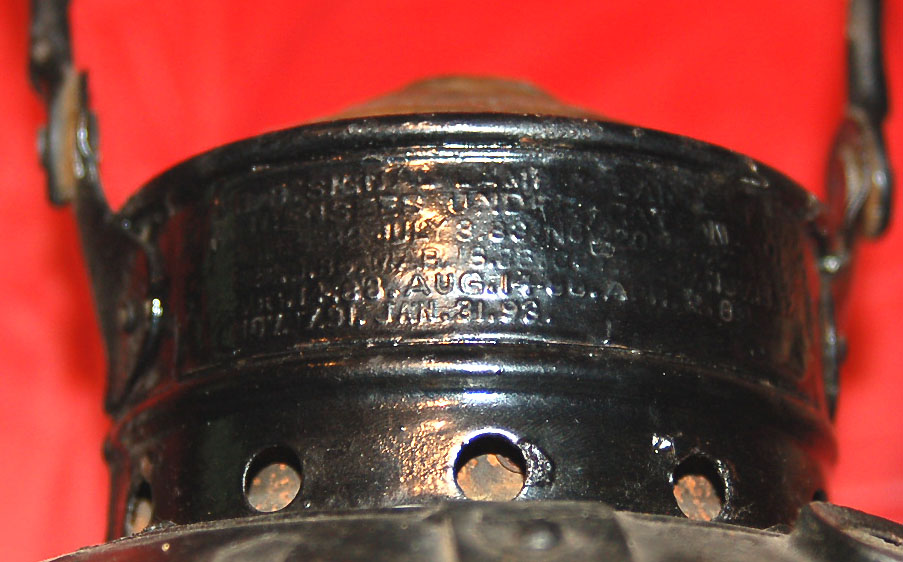
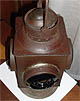
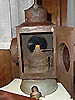
| Above. Multiple views of a lamp manufactured
by the Underhill & Osborne Signal Lamp Co.for the New York, Ontario & Western Railway. Click on any image for a larger version. Thanks to LR who sent us these images. |
 |
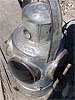 |
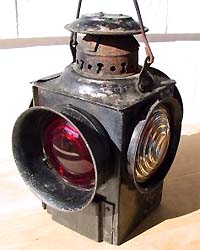
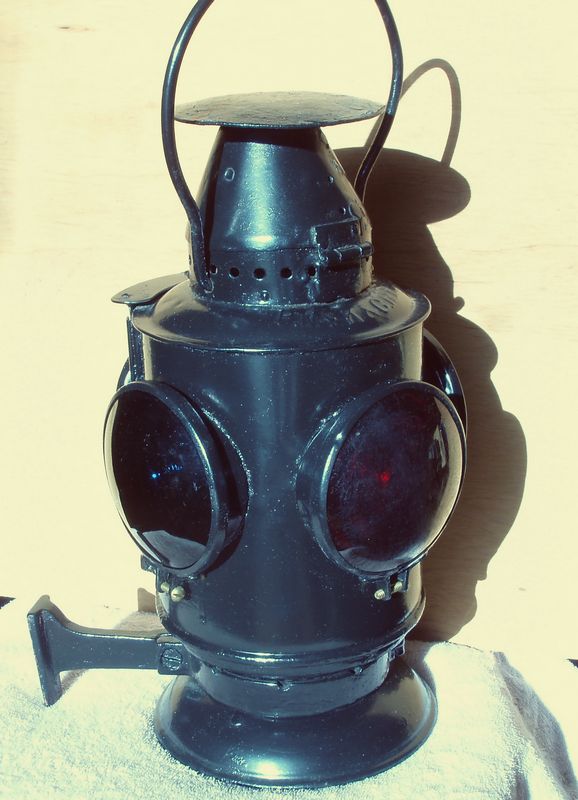
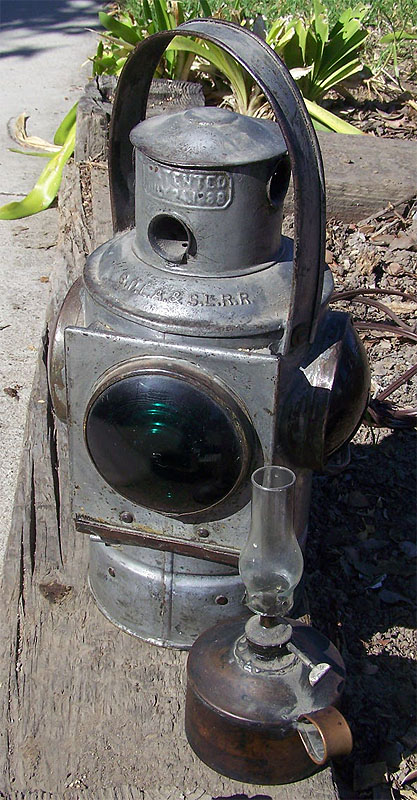
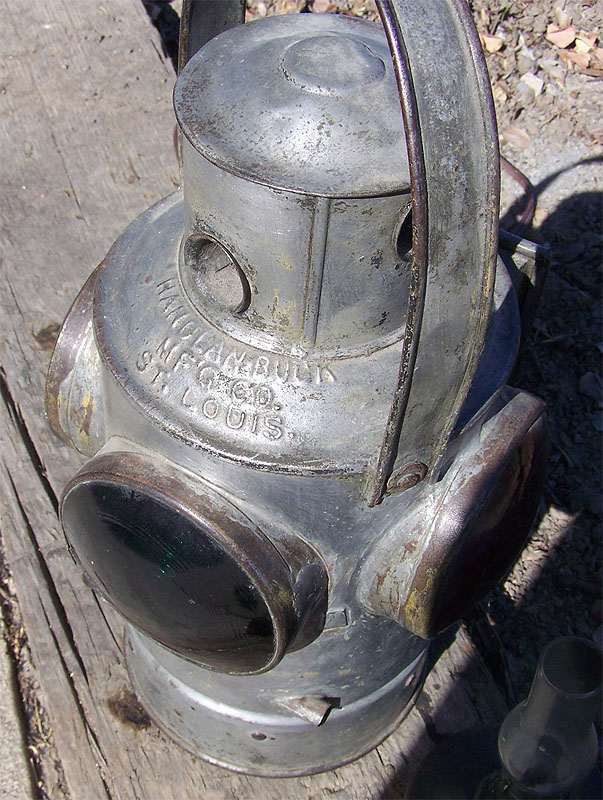
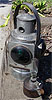
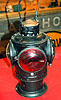
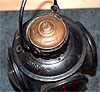
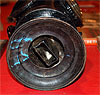
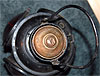
Left. Two views of a Handlan Buck lamp that was found in a trash dump in Ojai, California many years ago. The lamp is marked L.A. S.P.& S.L.R.R. for the Los Angeles, San Pedro & Salt Lake Railroad. Exactly what type of lamp this is or its use is unclear, but it is certainly rare. Click on any image for a larger version. |
 |
 |
 |
 |
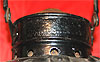 |
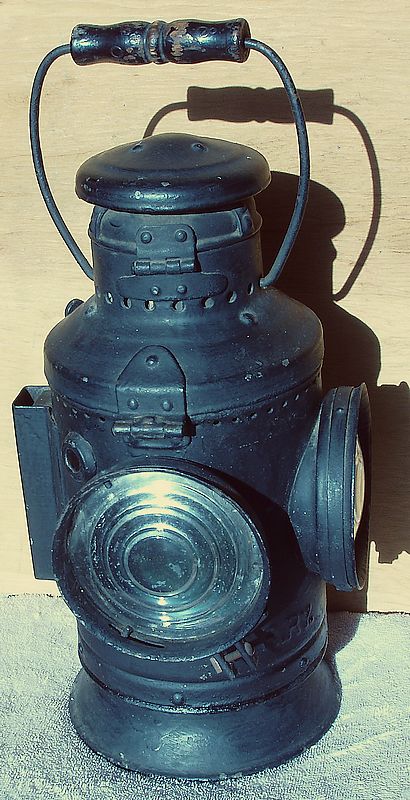
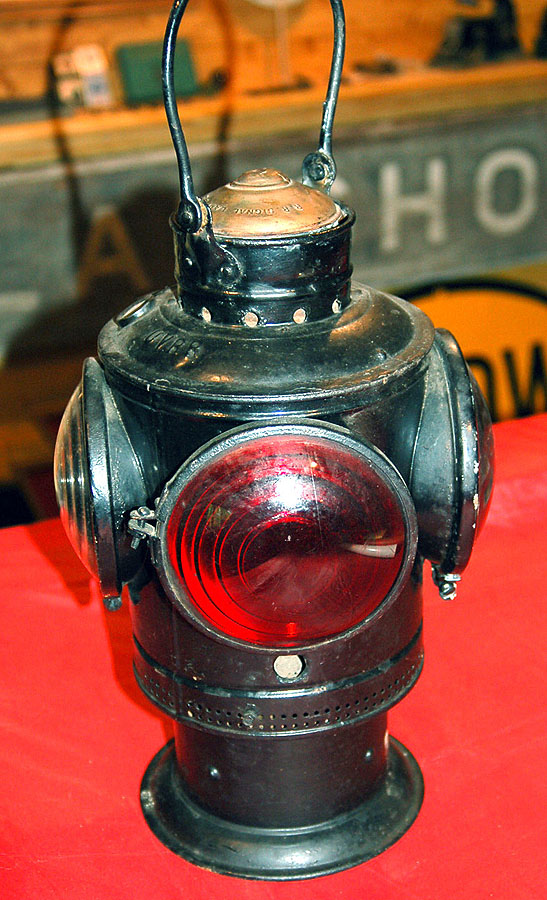
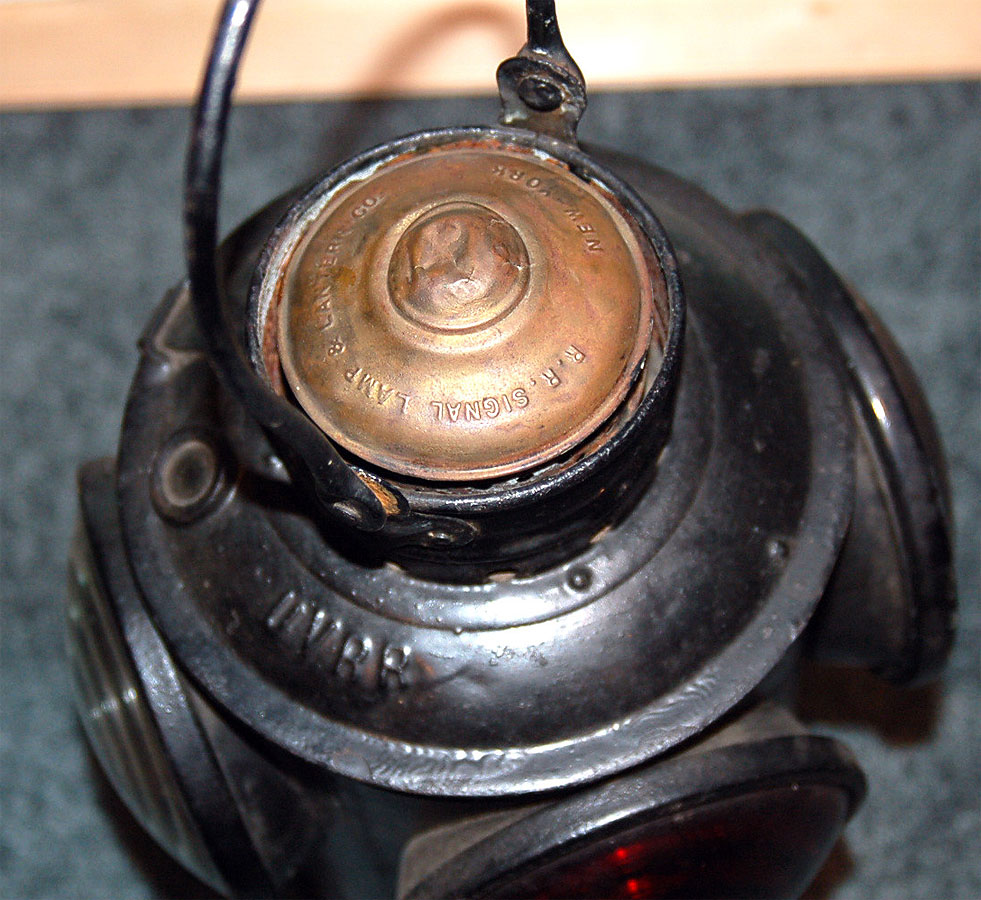
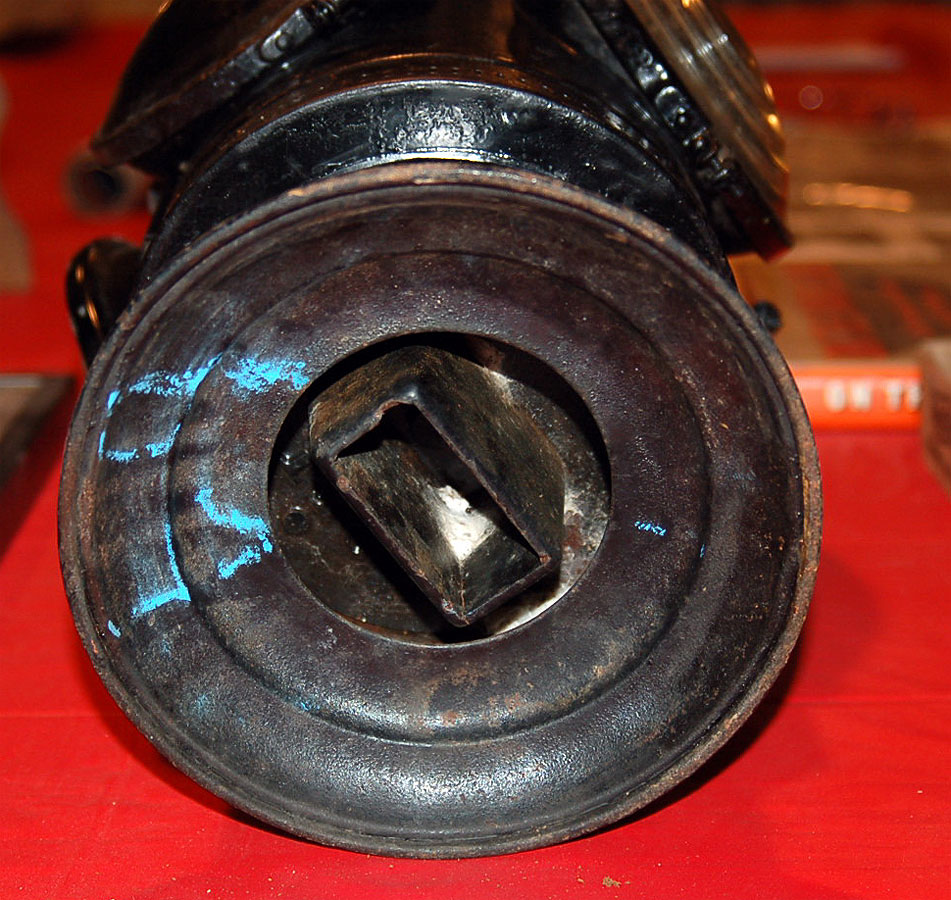
| Above. Multiple views of a unusual brass-top lamp manufactured
by the Railroad Signal Lamp & Lantern Co.for the Unadilla Valley RR. Click on any image for a larger version. Thanks to JGR who sent us these images. |
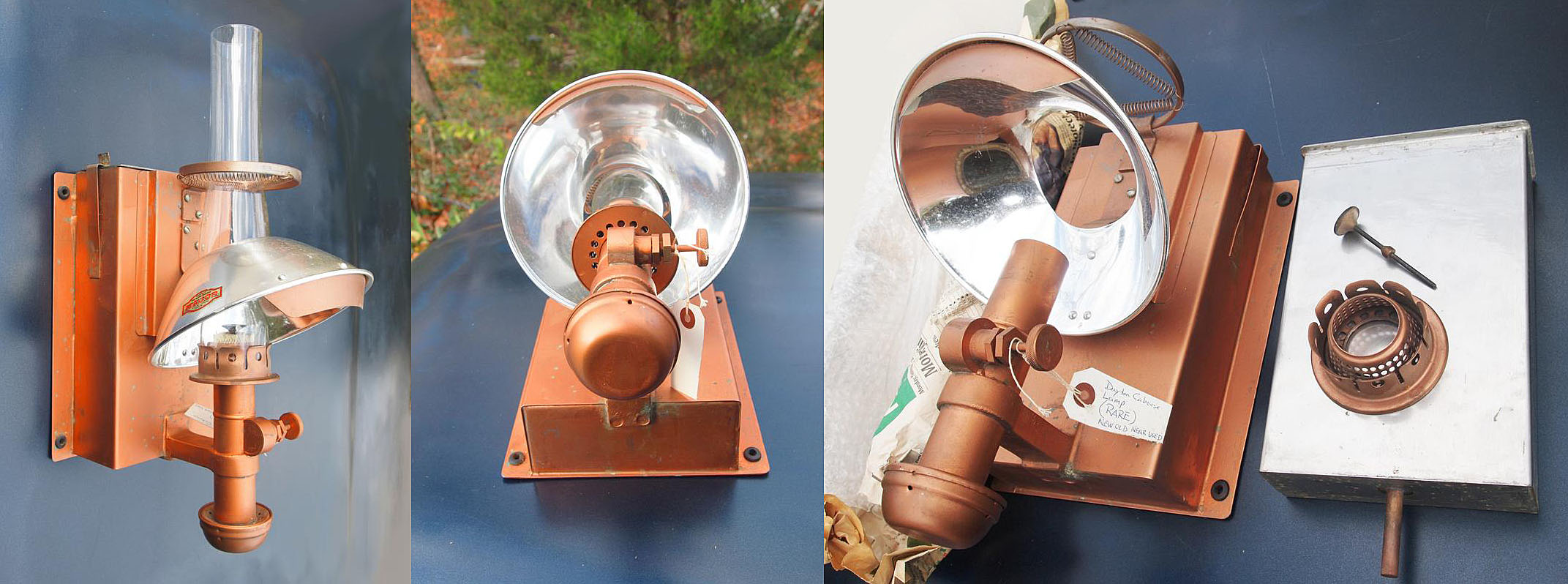
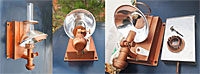 Right. Multiple views of a Caboose lamp made by Dayton Manufacturing Co. Click on the image for a larger version. Thanks to RR who sent us these images. Right. Multiple views of a Caboose lamp made by Dayton Manufacturing Co. Click on the image for a larger version. Thanks to RR who sent us these images. |
|